

Hi, this is Dr. Yuki. I have a surprising truth today!
Botox, widely known for its ability to smooth out glabellar frown lines (those pesky lines between your eyebrows), has become a staple in aesthetic medicine. But beyond its cosmetic benefits, recent studies suggest Botox may also have a profound impact on mental health, particularly in alleviating symptoms of depression.
The Science Behind Botox and Mood
Botulinum toxin (BTX), the active ingredient in Botox, works by blocking nerve signals that cause muscles to contract, which is how it softens wrinkles. However, researchers have discovered that this same process might influence our emotional state. The theory is rooted in the “facial feedback hypothesis,” which suggests that facial expressions can influence brain activity related to mood. Essentially, if you can’t frown, your brain may not register the emotion as intensely, potentially reducing negative feelings.
The Evidence: Can Botox Help Treat Depression?
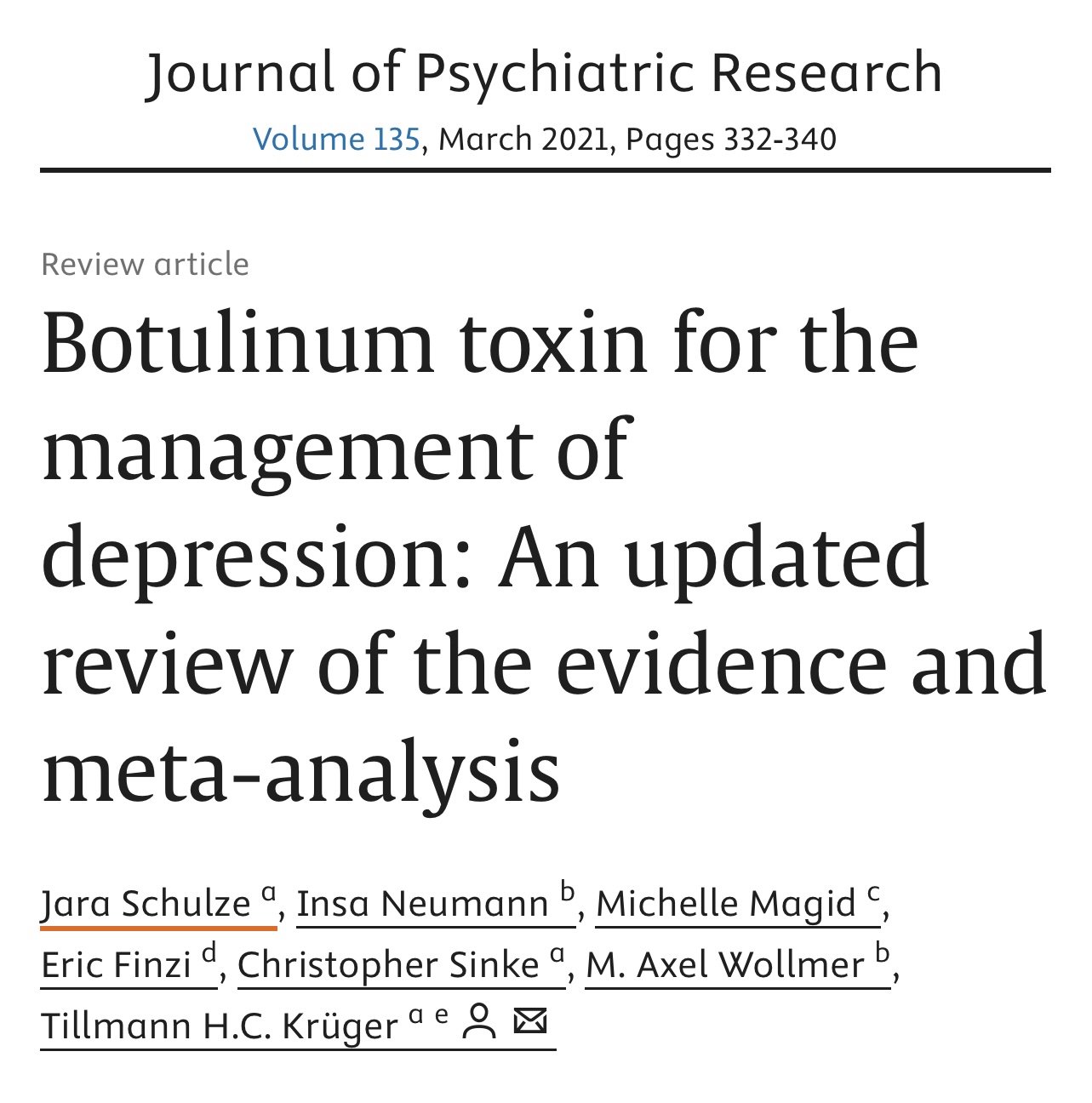
Several randomized clinical trials (RCTs) have explored the connection between Botox injections and depression treatment. A meta-analysis of five RCTs found that patients treated with Botox experienced a significant improvement in their depressive symptoms compared to those who received a placebo injection. The effect size (d = 0.98) indicates a strong improvement, which points to Botox being more than just a cosmetic treatment—it could be a potential tool for mental health management.
While the studies have some methodological limitations, the results are promising. They suggest that Botox may one day be an option in psychiatry, providing relief for those who suffer from depression. For now, Botox remains a powerful dual-purpose treatment, enhancing both your appearance and your mood.
What This Means for You
If you’ve been considering Botox for aesthetic reasons, the added potential mental health benefits could be a bonus. Imagine walking away not only looking refreshed but also feeling a little lighter mentally. Whether you’re treating wrinkles or boosting your mood, Botox continues to show why it’s a popular choice in modern cosmetic and medical treatments.